Metallitööstus - Elister

Customers speak

Welding ventilation for metalworking - push-pull solution for 10 manual welding stations and separate system for robotic welding operations

Push-pull keevitusventilatsiooni süsteem tootmishoones
ARTICLE

The challenge of the project

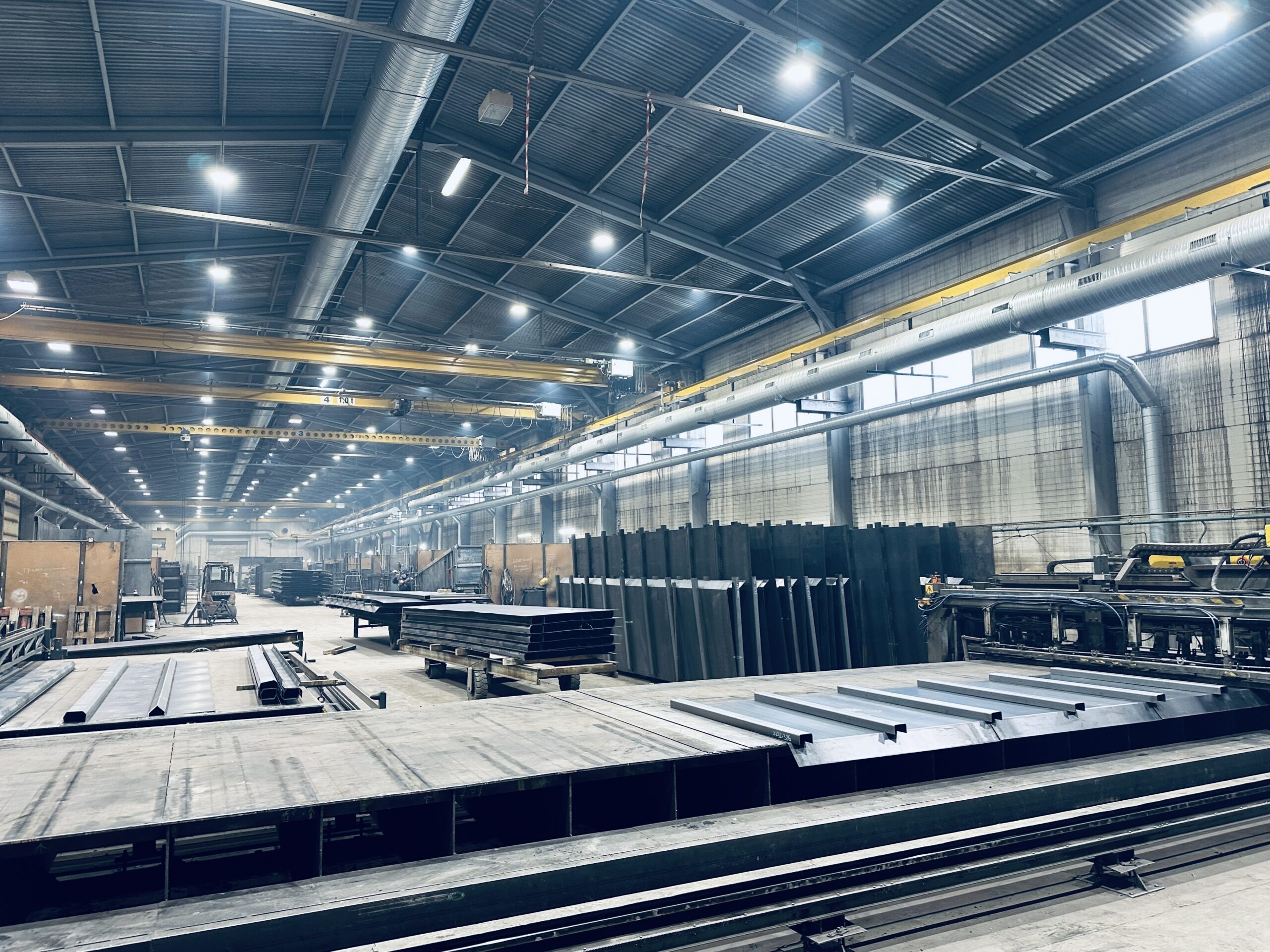
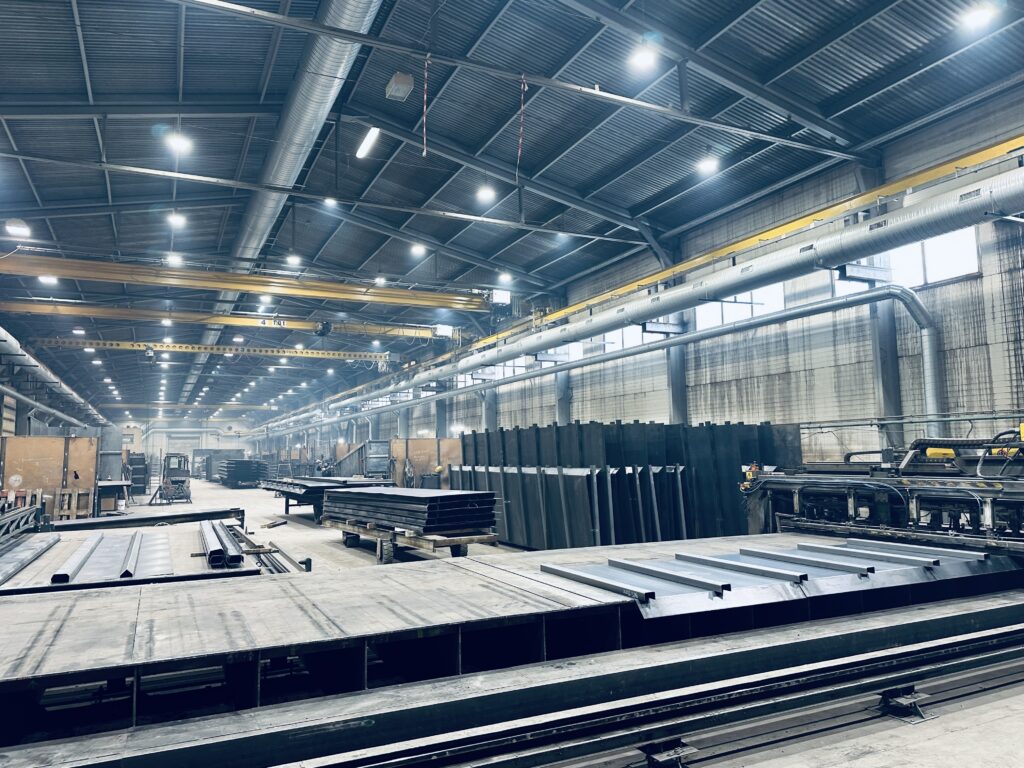
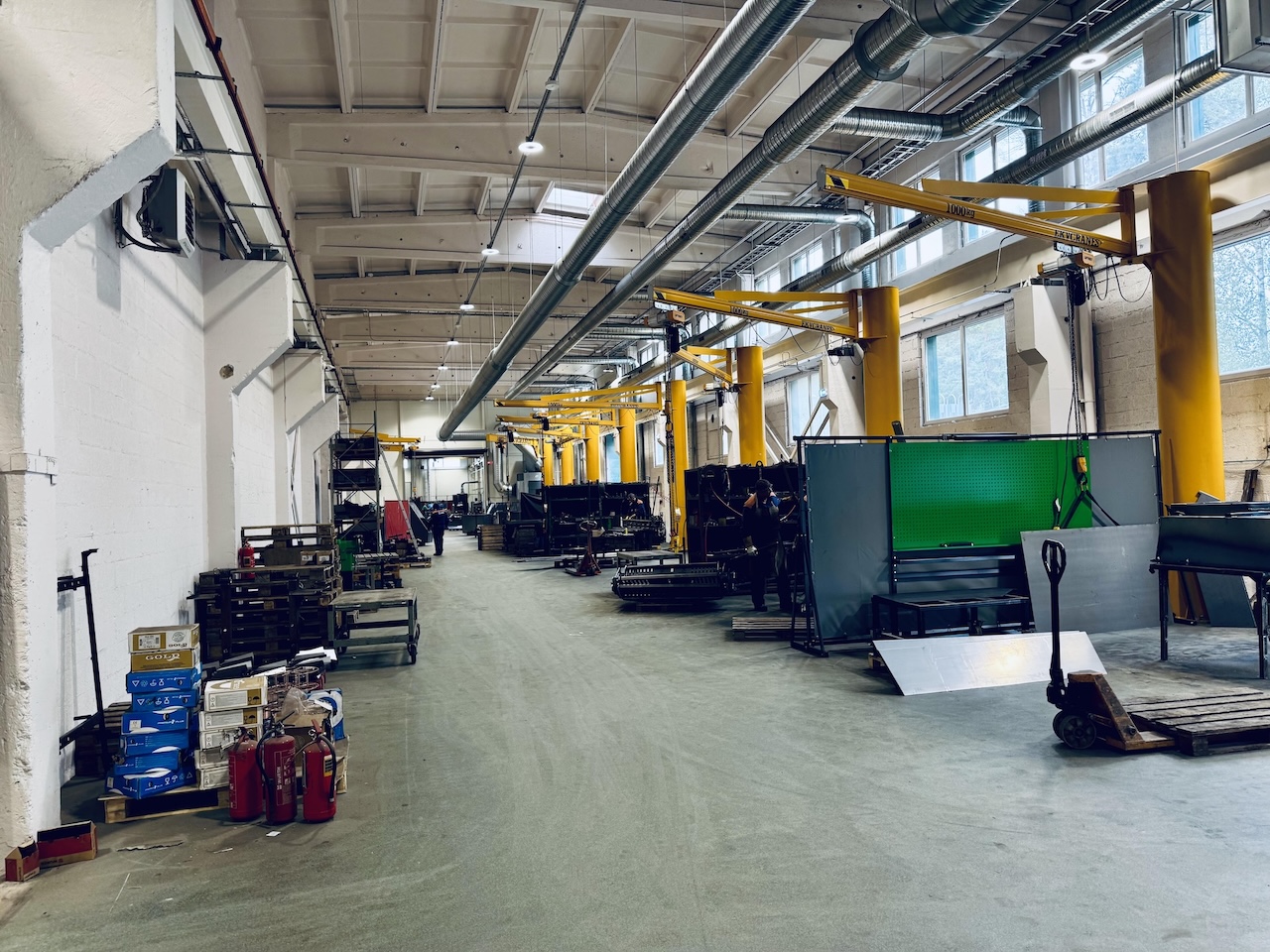
This was not a conventional welding ventilation project. In the manual welding area, the welding fumes had to be directed towards the central part of the building, where the fermi area was open and the risk of fumes spreading throughout the production area was high.

How did we build the solution?

The central logic of the project was clear: manual and robotic welding could not be solved with a single system. 

That's why we designed two separate systems with different air volumes, control and operating logic.

Push-pull welding ventilation for 10 manual welding positions

HAND-BUILDING AREA

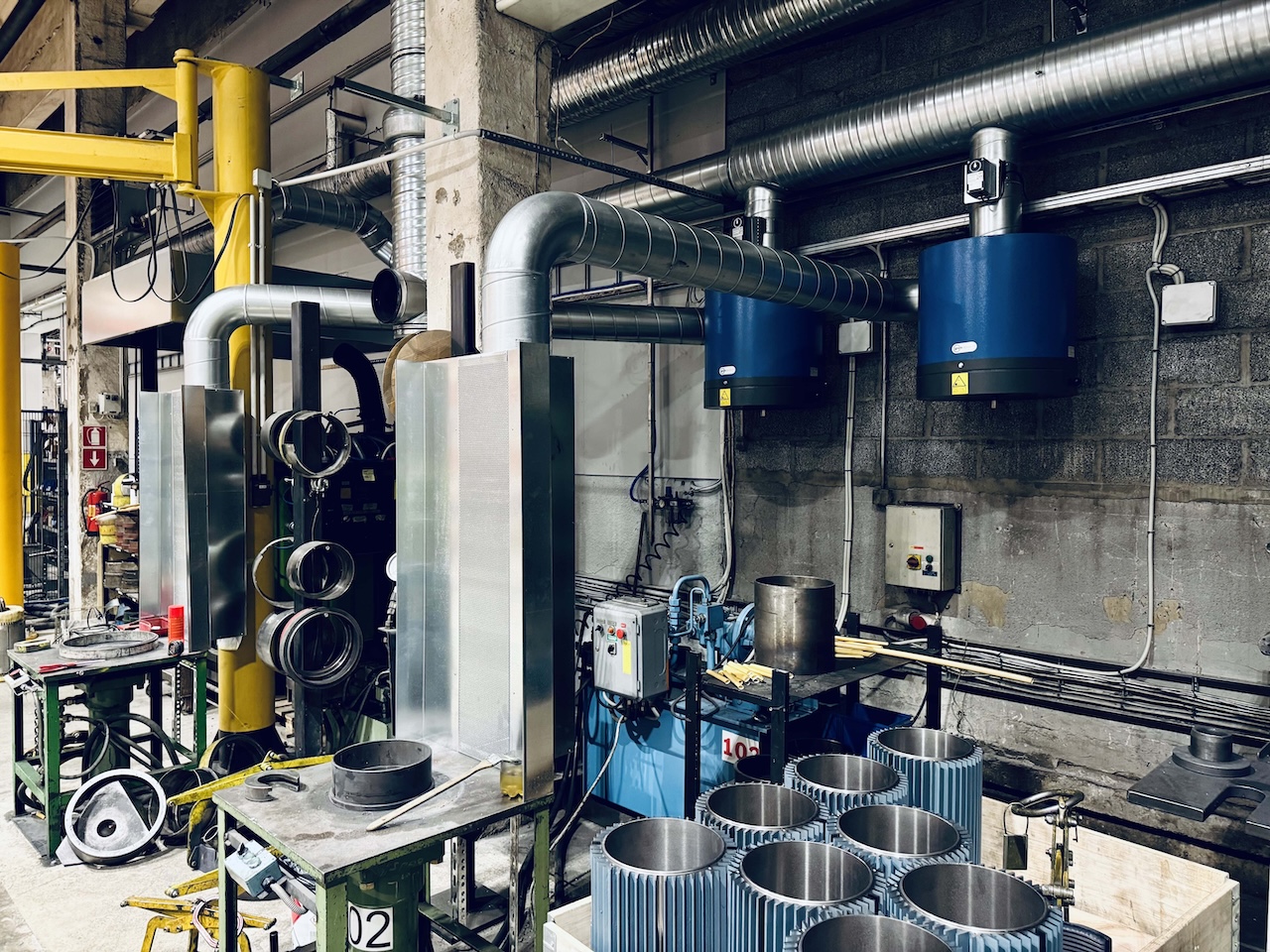
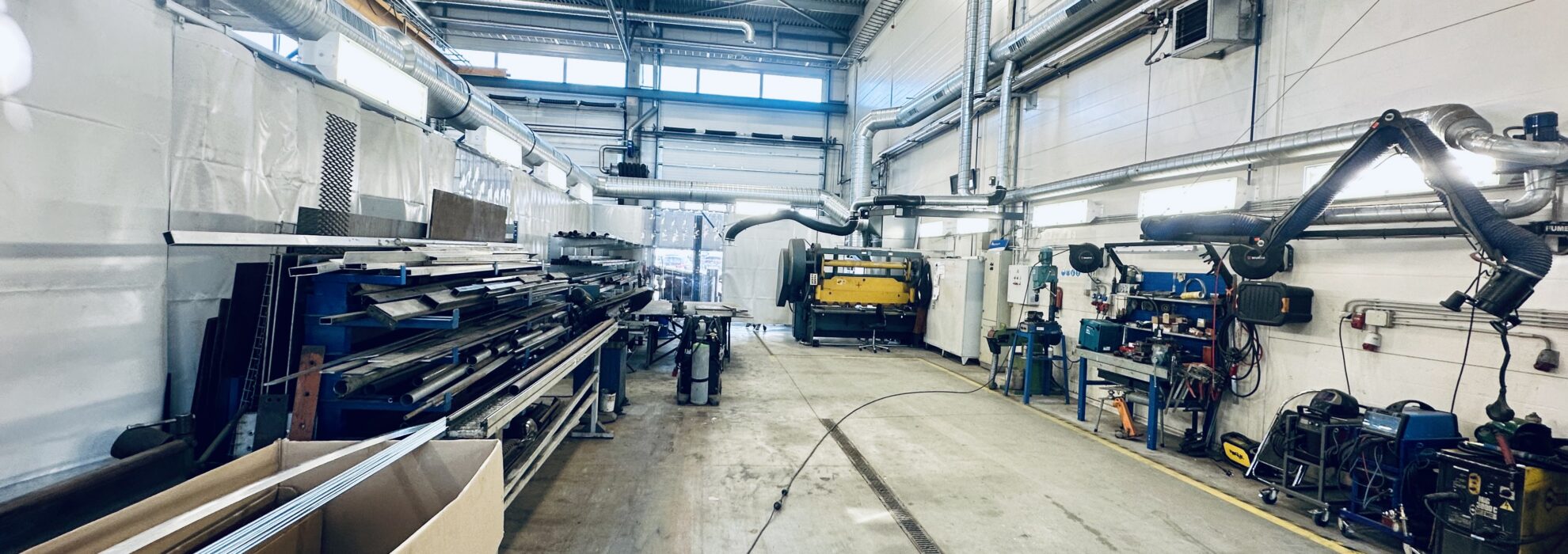
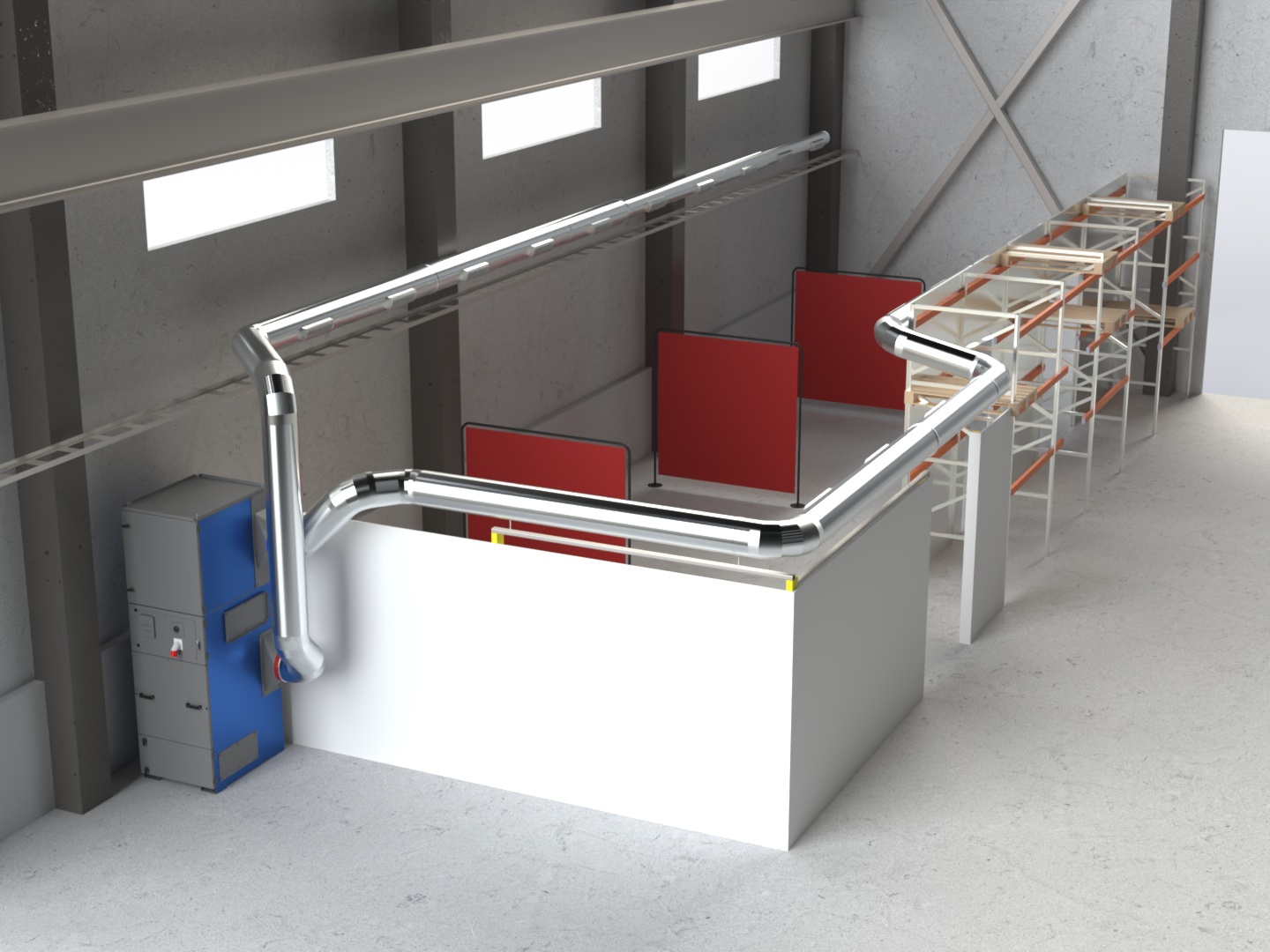
We tackled the 10-workstation manual welding area by. push-pull method, but the situation was different for this project. The welding fumes had to be channelled towards the central part of the building, where the fermi area was open and the risk of the fumes spreading throughout the plant was high. The area to be ventilated was only half of the production area.

Therefore, when designing, particular attention had to be paid to the operation of the air intake. evenly throughout the pipeline and air movement is controlled throughout the work area. In addition, a practical way had to be found to limit the spread of smoke and keep it as contained as possible in the occupied zone.

The result was not just “air removal”, but a solution with controlled air movement to help direct welding fumes to the right zone and reduce their spread to the rest of the production area.

More complex air movement than usual

For this project, a standard approach was not enough. Due to the open Fermi area, the smoke propagation had to be controlled more precisely and the balance of the whole system was critical.

even recovery
controlled air movement
limiting the spread of smoke
workspace-based solution

Customers speak

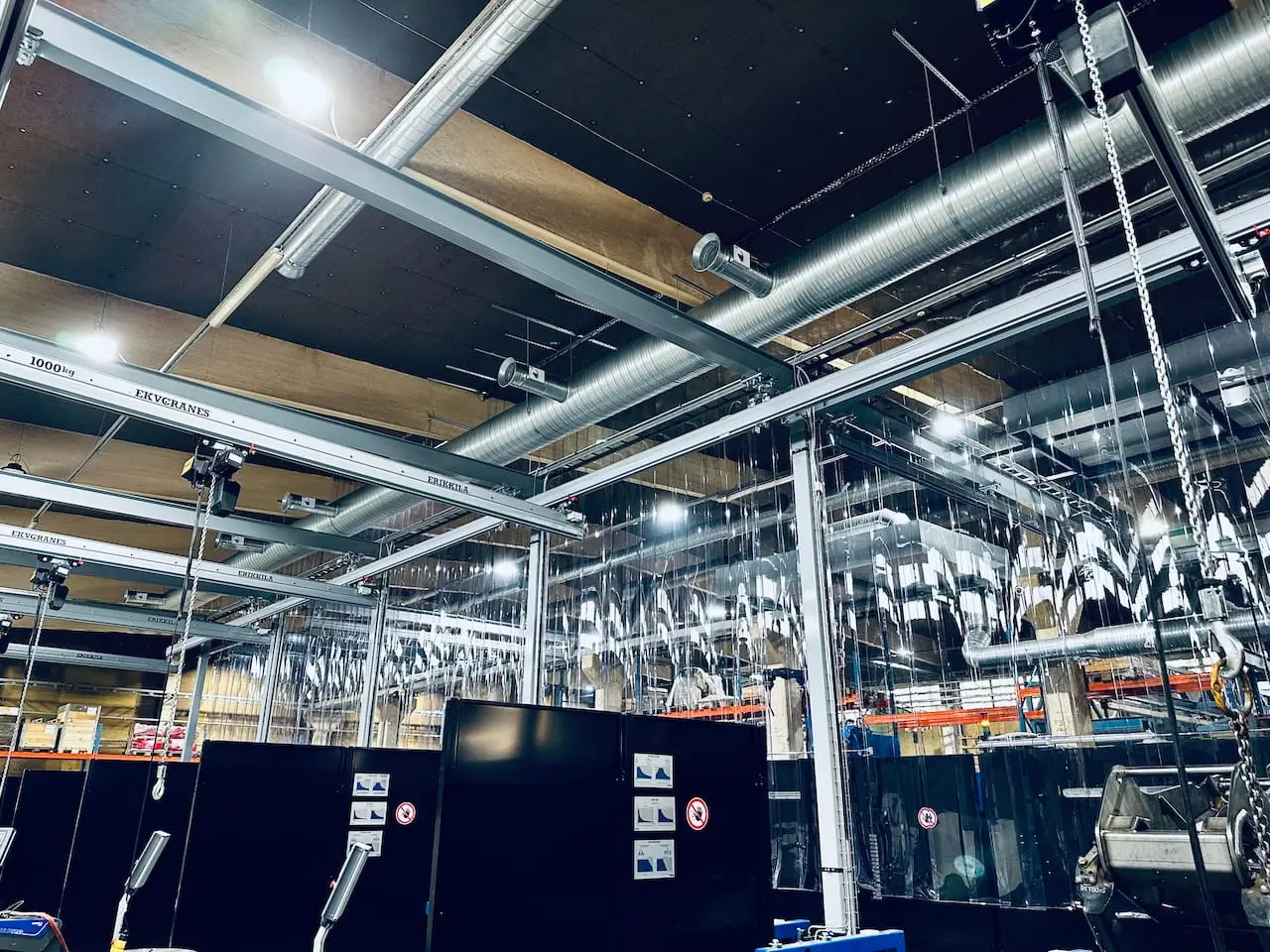
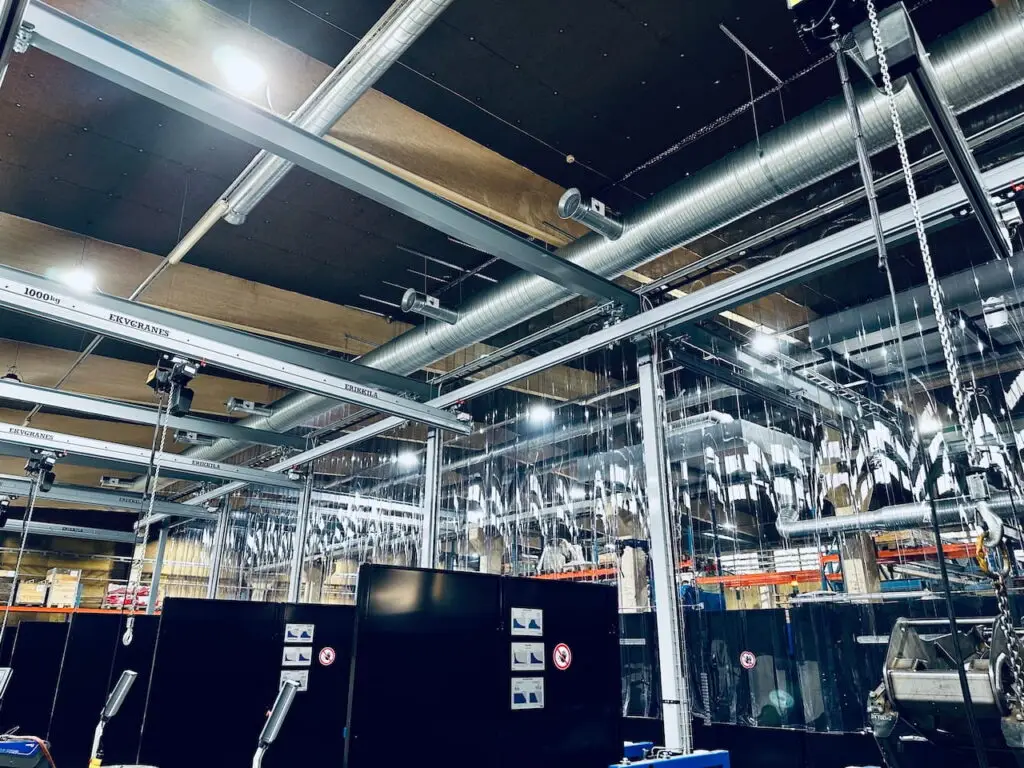
Important detail: the lamella curtain helped to keep the smoke in the working area

PROJECT SPECIFICITIES
Push-pull keevitusventilatsiooni süsteem tootmishoones

Simple detail, big impact

The solution used in this project is tailored to the needs of the site - taking into account both the specificities of the space and the requirements of the work process. The details that make the solution efficient and reliable in practice are described in more detail below.

Separate ventilation and filtration system for robotic welding

ROBOTIC WELDING AREA

The robotic welding area was given a separate system, as robotic welding differs from manual welding in terms of the nature of the smoke generated, the location of the work area and the control of the system.

In robotic welding, fumes are usually generated in a fixed and repetitive work area. This allows for a more accurate dimensioning of the fume extraction and the linking of the system control to a specific work process. A separate solution ensures that the operation of the robotic area does not depend on the load of the manual welding area.

Why a separate system?

A single common solution would not give the best result for both. A separate system allows for more accurate set-up, more stable operation and easier maintenance.

Products used in the project

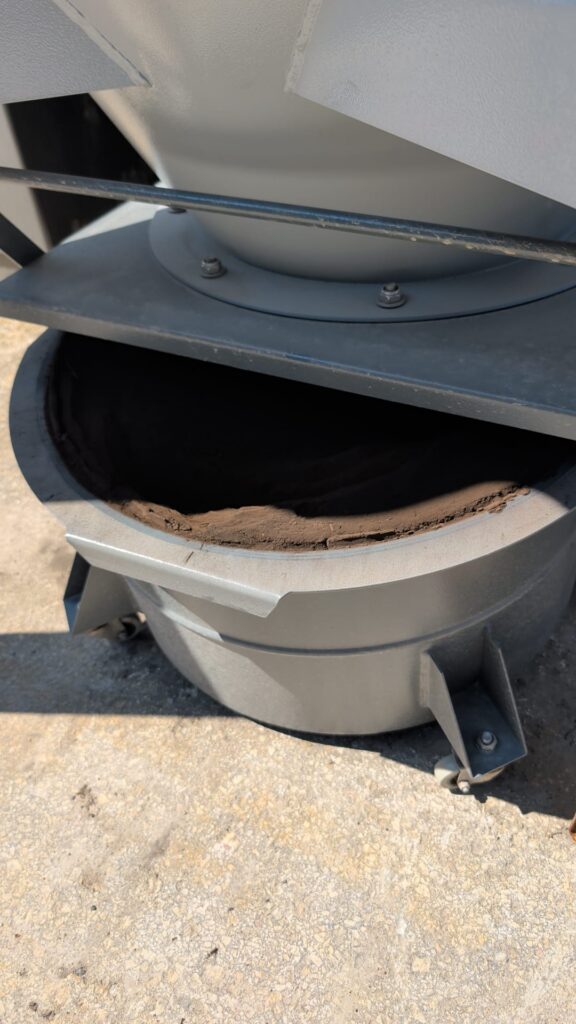
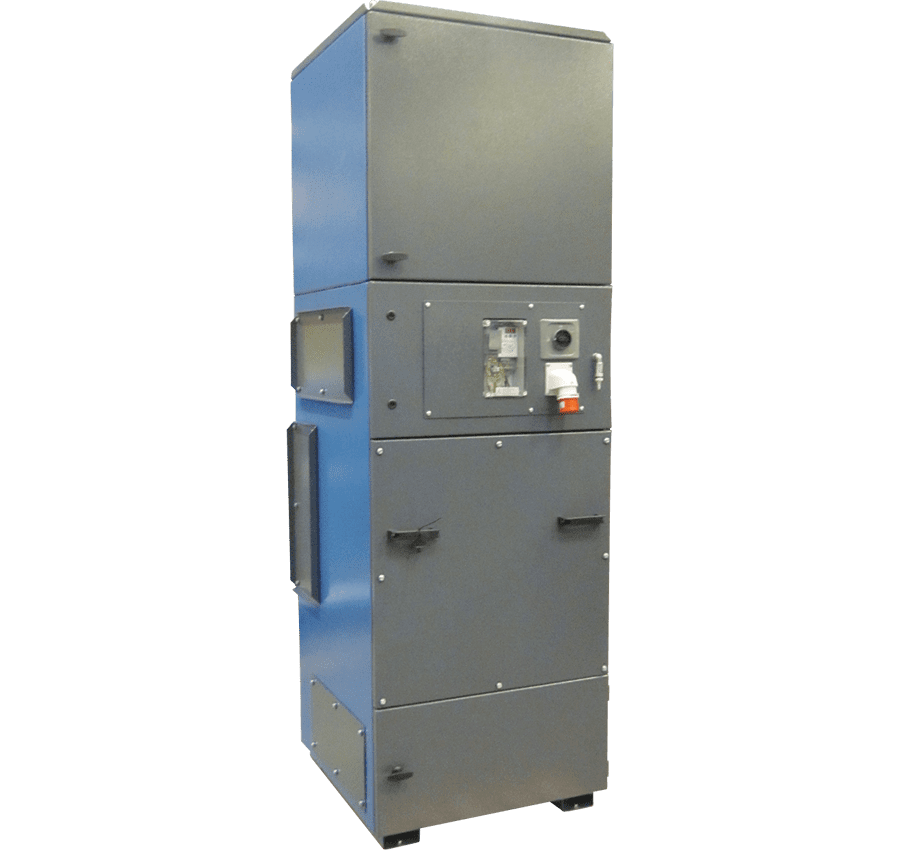
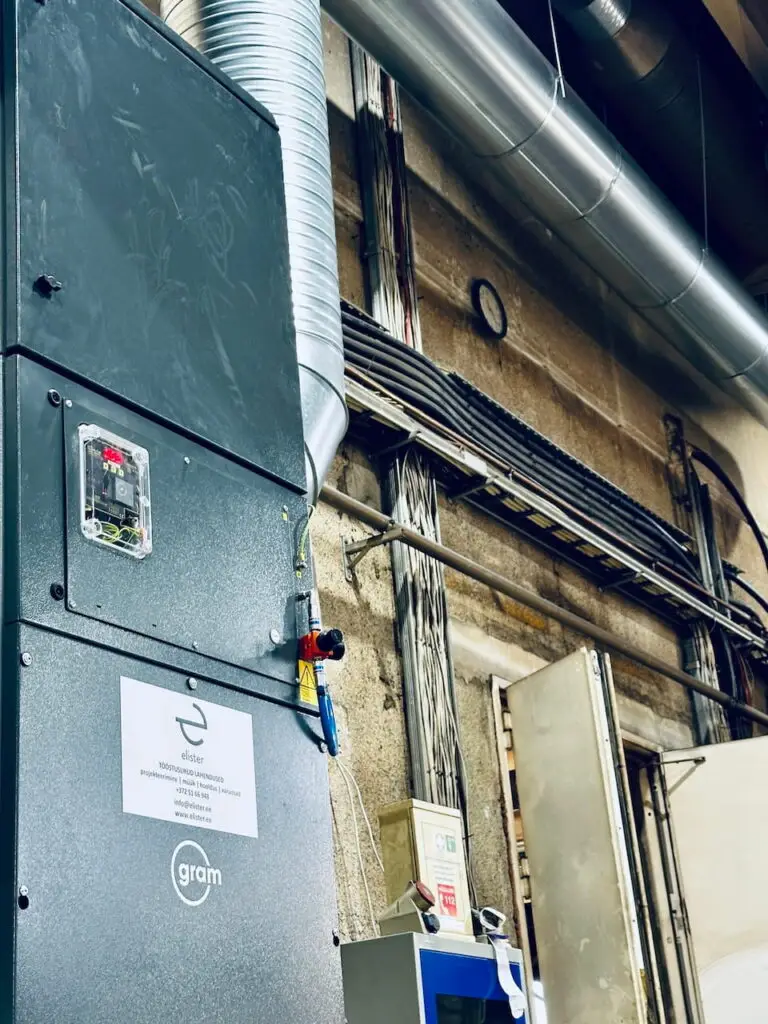
Space-saving “Plug & Play” filtration unit with integrated fan for air filtration in dusty environments. Ideal for filtering air from welding, cutting, grinding, etc. filtration. The unit is supplied ready for use, being

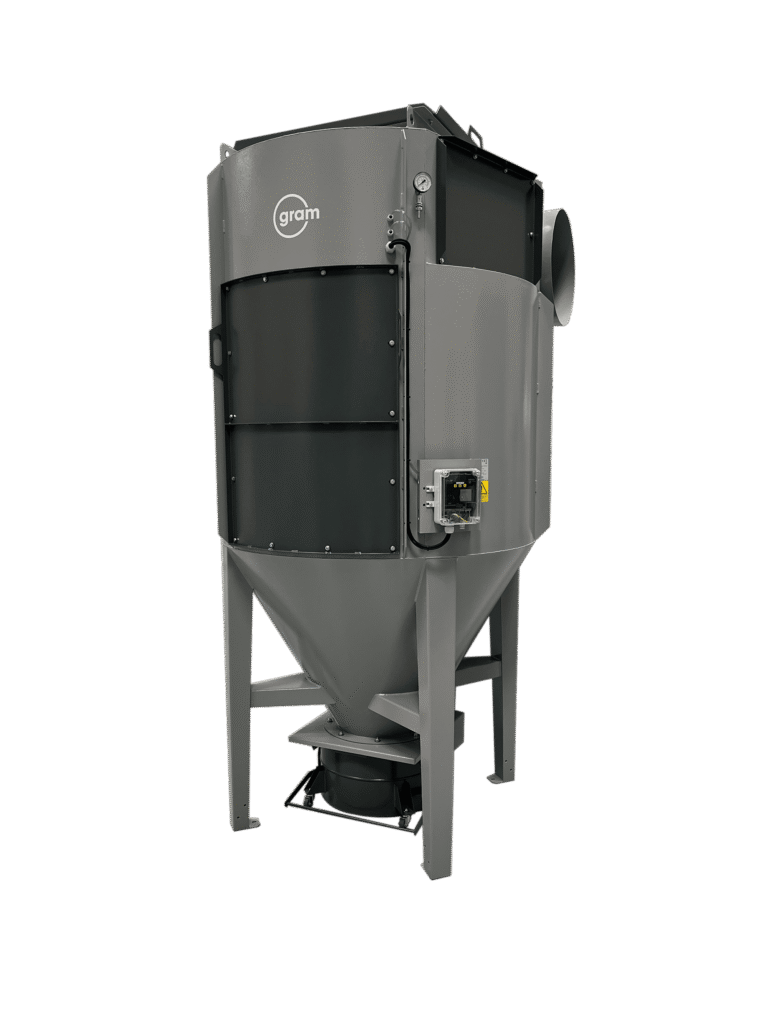
Optimised capacity filter for various larger filtration tasks. The filter is used to filter welding and cutting fumes, grinding dusts and various exhaust air containing dusts of metal, stone, plastics, etc. or various powders.

Image gallery

Read more about the company: www.metallitoostus.ee

Questions asked by the client before ordering the project

What's the difference between a push-pull system and a robotic welding system?

The function of the welding ventilation system in robotic welding is to suck out residual fumes from one specific area, while in the push-pull system ventilates a larger working area.
The result is a controlled welding ventilation system that keeps exhaust fumes controlled throughout the work area and prevents them from spreading to the rest of the shop floor, while workers have access to air that is constantly purified of residues..

Manual welding is a mobile and changing job: the welder changes places, works on different parts and the smoke generation is irregular. Robotic welding, on the other hand, takes place at a fixed location, with predictable intensity and work cycles.
The two systems require completely different control logic and airflows, so a common system would not resolve the situation in a satisfactory way. In addition, separate systems work more efficiently, are more controllable and save energy.

The exact air volumes are calculated individually for each project, based on the welding process, the layout of the workstations and the additional materials. It is important to keep an eye on the size of the entire work area and the intensity of the work, and not to forget the fresh air solution in the area. In general, the air exchange in a 10 workstation manual welding area is between 12 000 and 18 000 m3/h.

Properly designed welding ventilation will increase heat loss from the room.

For this project, proper and efficient filters have been used to clean the air from residues and return it to the production process. It will certainly be necessary to address the fresh air intake through the ventilation aggregate, and if Elister installs this unit, the heat recovery there will be in the 80% range.

The choice of filtering device would be made at the design stage, depending on the amount of air to be cleaned, the nature of the work - in other words, the type of filter material to be used. 

Elister recommends the use of W3 compliant filters that are easy to maintain. It is also important to check whether the equipment is hand-welded or robot-welded.

A welding ventilation project of this size will take 2-4 months in total, but industry downtime is minimal. First, we carry out a design, where we create a 3D model of the planned situation. In total, a larger project can take up to 3-4 weeks including installation.

The process consists of: design and drawing, supply of equipment and on-site installation, which is carried out in stages without major disruption to production (if necessary, the nuances are agreed with the customer). In the final phase, there is set-up and handover. Each project is individual - the exact timetable depends on the site and the availability of equipment.

Indrek

INDREK ESTER

Project Manager

Got a question or want to discuss a similar solution in your own production area? Contact me or send a request via the contact form.

Send a quick request

Leave your contact(Required)
Please make a selection of which topic needs to be reviewed
Your data will not be shared with third parties.

Customers speak

Lift-off and filtration solution for metal pins

Made

Purpose

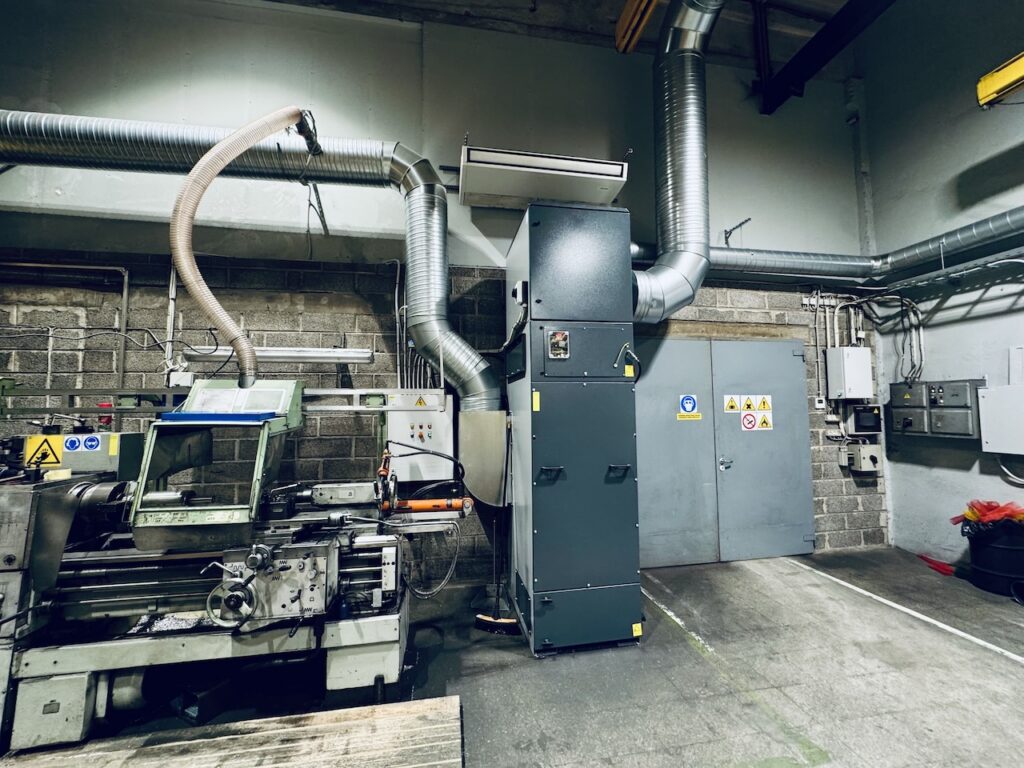
The client needed a solution for metalworking benches to remove the fouling and emulsion generated during the process. In total, there were 8 pinki, which produced both chemical and mechanical particles in the air. This created the need for a safe and efficient extraction system to improve working conditions and keep the production environment clean.

Result: The installed solution ensures that all the contaminants generated by the 8 machine tools during the work process are effectively removed. The air in the room is cleaner, working conditions are healthier and the production process is more environmentally friendly.

Solution

Our team designed and installed a system that ensures the removal of the pollution generated during the process:


  • GRAM CLEAN AIR filter FL 104 - a solution that filters air of pollution and returns it to the production process as clean air. This helps reduce harmful emissions and creates a healthier working environment for workers.

  • Oil shales OUF - devices installed on each relevant machine tool to trap emulsion and other wet mechanical particles by centrifugal force, preventing their release into the air.

  • Automated management - the system is equipped with pressure sensing and signal-based start and stop of the machine tools, making the solution energy efficient and user-friendly.


Image gallery

See more

Let's discuss wishes

Every idea is worth discussing and implementing. Send us your idea and we'll solve it together.

Or come and visit us

Come and visit us at our Jüri office at Kesk tee 10, Jüri, Rae vald, Estonia

Customers speak

Welded corner solution, ventilation, lighting, security

Made

Purpose

The client wanted to build effective and working welding ventilation "corner of the fire". The previous solution of two separate fan coils offered only a limited radius of operation and did not cover the entire area. A comprehensive solution was needed that would provide a safe working environment, ensure adequate ventilation and take into account lighting and containment needs.

Solution

We designed and installed a complete solution to ensure the desired result.

The open area was enclosed by a specially designed structure to which curtains suitable for welding were attached. In addition, both the ventilation pipework and the light fittings were fixed to the structure. For the ventilation, we combined a welded cage solution and a ventilation system. Push-Pull a system that prevents welding gases from spreading to the rest of the building, even without the use of a handle. The core of the ventilation system was GRAM FL 104 filter tower with manual control, to which we added a automatically managed by Welding head type RFF. As a lighting solution, we installed high quality VYRTYCH luminaires, the quantity of which was determined on the basis of light calculations. The result is an efficient and complete welding angle solution.

Image gallery

See more

Let's discuss wishes

Every idea is worth discussing and implementing. Send us your idea and we'll solve it together.

Or come and visit us

Come and visit us at our Jüri office at Kesk tee 10, Jüri, Rae vald, Estonia

Customers speak

New colour room and energy-efficient drying room for the metal industry

Made

Purpose

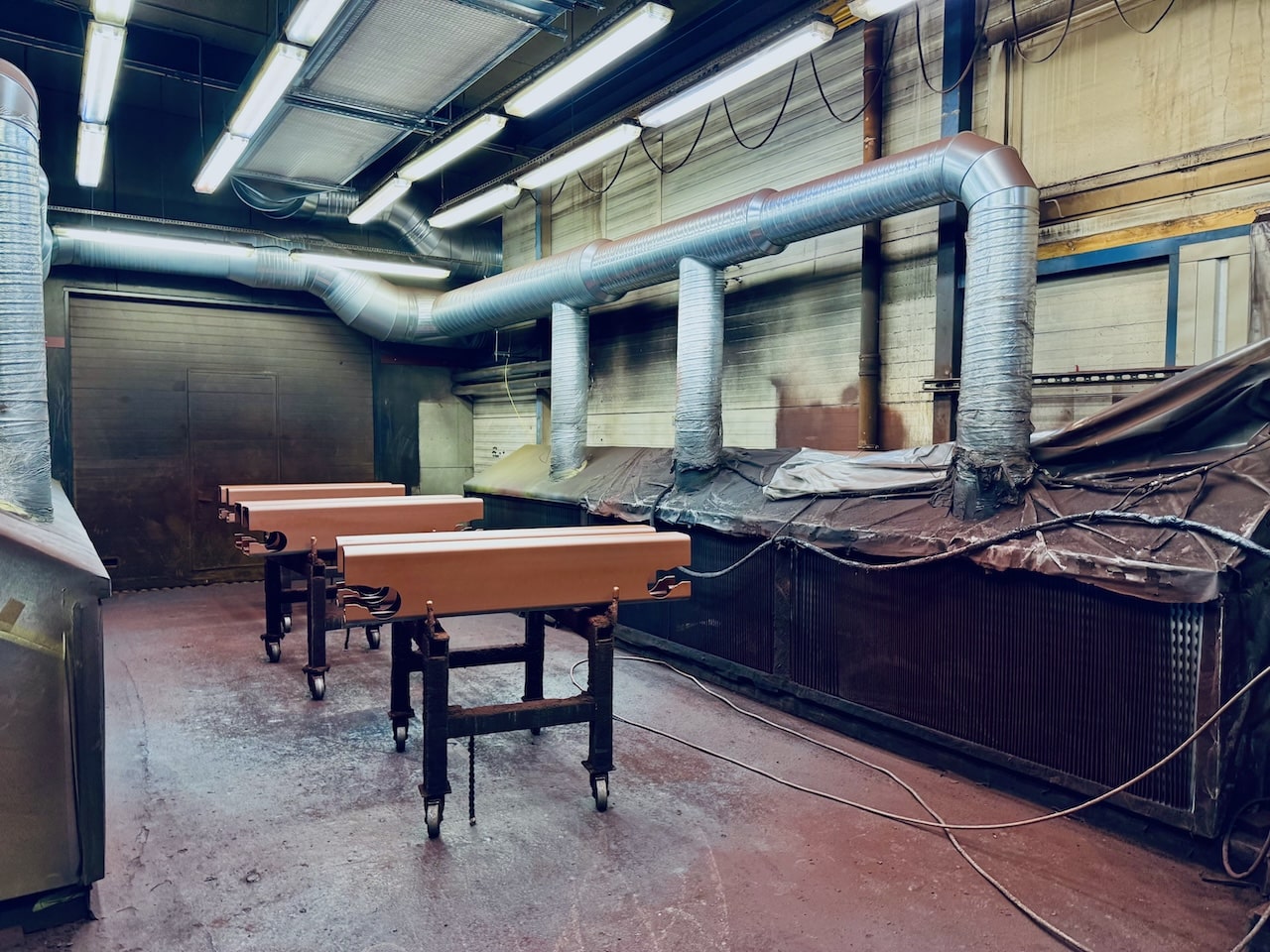
We carried out a major upgrade of a ventilation and heating solution for a client in the metal industry. As part of the project, we designed and built a completely new paint room and improved the performance and energy efficiency of the existing drying room.

The client's previous solution was technically and energy inefficient: there was no heat exchanger, the ventilation equipment did not meet the requirements of the working processes and the drying room did not reach the desired temperature.

In addition, the logic of air movement in the drying room was incorrect and the colour room partitions and the air exchange rate were inconsistent with each other, which was not in line with current standards.

The end result was a reliable, modern and energy-efficient system that complies with all applicable safety and working conditions. Both the painting and the drying process now work reliably and cost-effectively. We thank the customer for their trust and look forward to the next challenges!

Work done:

  • We built a new ventilation solution for the colour room, using Czech producer CIC Ex-marked equipment suitable for use in potentially explosive atmospheres.

  • We installed Polish producer Konwektor fans to ensure reliable airflow even under intensive working conditions.

  • The drying room equipment was rebuilt: we corrected the air circulation logic, upgraded the plumbing and replaced the water node so that the room quickly reaches a uniform operating temperature.

  • The ventilation unit was replaced with a new one, with plate heat exchanger a solution that will enable us to significantly improve heat recovery and reduce energy consumption.

  • In both rooms we installed solvent detectors and compressed air meters, which enable control based on air pollution levels and compressed air consumption information, thereby increasing safety.

  • We installed heat meters for both electricity and heating systems to allow accurate monitoring and logging of consumption.

  • We applied to the system a completely new automation solution, which also has remote accessso that we can offer our customers real-time support and monitoring remotely.

Filter solution to ensure reliability and equipment preservation:

  • At the wake-up call we applied double filtering principle, using cardboard filters With W250 with filter matwhich ensure efficient separation of paint and dust particles before they reach the machine.

  • The ventilation unit itself uses Ex-marked bag filters, which are suitable for explosive atmospheres and ensure high filtration efficiency.

  • Intake air is used W300 class filter, which keeps the air clean and protects equipment from dirt and dust.

This multi-layered filtration helps to ensure the reliability of the entire system and prolongs the lifetime of the equipment, while reducing the need for maintenance and ensuring a stable workflow under load.

Image gallery

See more

Let's discuss wishes

Every idea is worth discussing and implementing. Send us your idea and we'll solve it together.

Or come and visit us

Come and visit us at our Jüri office at Kesk tee 10, Jüri, Rae vald, Estonia

Customers speak

Sami upgrades the ventilation in the welding shops of the Valga plant

Client

Made

Location

Sami Production is an Estonian mechanical engineering company with over 30 years of experience in manufacturing road maintenance equipment such as snow ploughs, sanders and brushes. The company's products are mainly targeted at the Nordic and European markets.

In the past, we have created ventilation solutions for both manual and robotic welding workstations in Sami Manufacturing's Sauga factory. Positive cooperation experience and the reliability of the solutions provided the basis for the next step - the Valga plant upgrade.

Purpose

At the Valga plant, the ventilation of the manual welding workplaces had to be solved in two areas, each with 10 workplaces. We installed a Gram Clean Air equipment - cyclone filters with fans - and we designed the push-pull ventilation system. We also made the corresponding air calculationsto ensure that the system operates correctly and efficiently.

Solution

In addition, we integrated automation solution, which analyses the activity of welders and triggers the filter system only when welding is actually taking place. This ensures energy savings and a clean working environment.

As a result, the client received a modern, compliant and reliable ventilation solution that helps to keep the working environment clean and the working conditions for welders safe and comfortable.

In addition to manual welding, we also helped the new robotic welding solution by finding the right welding filter, which also ensures a clean environment in the robotic welding area.

Image gallery

See more

Let's discuss wishes

Every idea is worth discussing and implementing. Send us your idea and we'll solve it together.

Or come and visit us

Come and visit us at our Jüri office at Kesk tee 10, Jüri, Rae vald, Estonia

Customers speak

Push-Pull welding ventilation for the metal industry

Push-pull1

Made

Purpose

The customer has four welding stations in its production facility where welding fumes are generated during the welding process. All the welding locations are usually working simultaneously and at the same time it was important to maintain the accessibility of the torch throughout the welding area.

Solution

We have planned a single PUSH/PULL a ventilation system that allows the removal of fumes and gases without disturbing the production process.

To filter the air, we installed a reliable Danish manufacturer GRAM FL filter unit, which is Plug & Play solution - quick to install and ready to use.
The solution ensures controlled air movement and effective cleaning of welding fumes throughout the working area. 

Image gallery

See more

Let's discuss wishes

Every idea is worth discussing and implementing. Send us your idea and we'll solve it together.

Or come and visit us

Come and visit us at our Jüri office at Kesk tee 10, Jüri, Rae vald, Estonia

Customers speak

Compressor residual heat is used for heating - forecast ca 120+ MWh per year.

Client

Made

Location

AQ Lasertool OÜ is a company belonging to the Swedish AQ Group, which has 5 factories in Estonia, two of which are located in Pärnu, two in Jüri and one in Viimsi.

Purpose

There was a constant demand for heating in production and the compressor was running daily - the residual heat from the 55 kW unit was previously unused. Cost-benefit calculations showed that the heat transfer to the heating system of the building would provide a very fast return on investment, so it was decided to implement the solution.

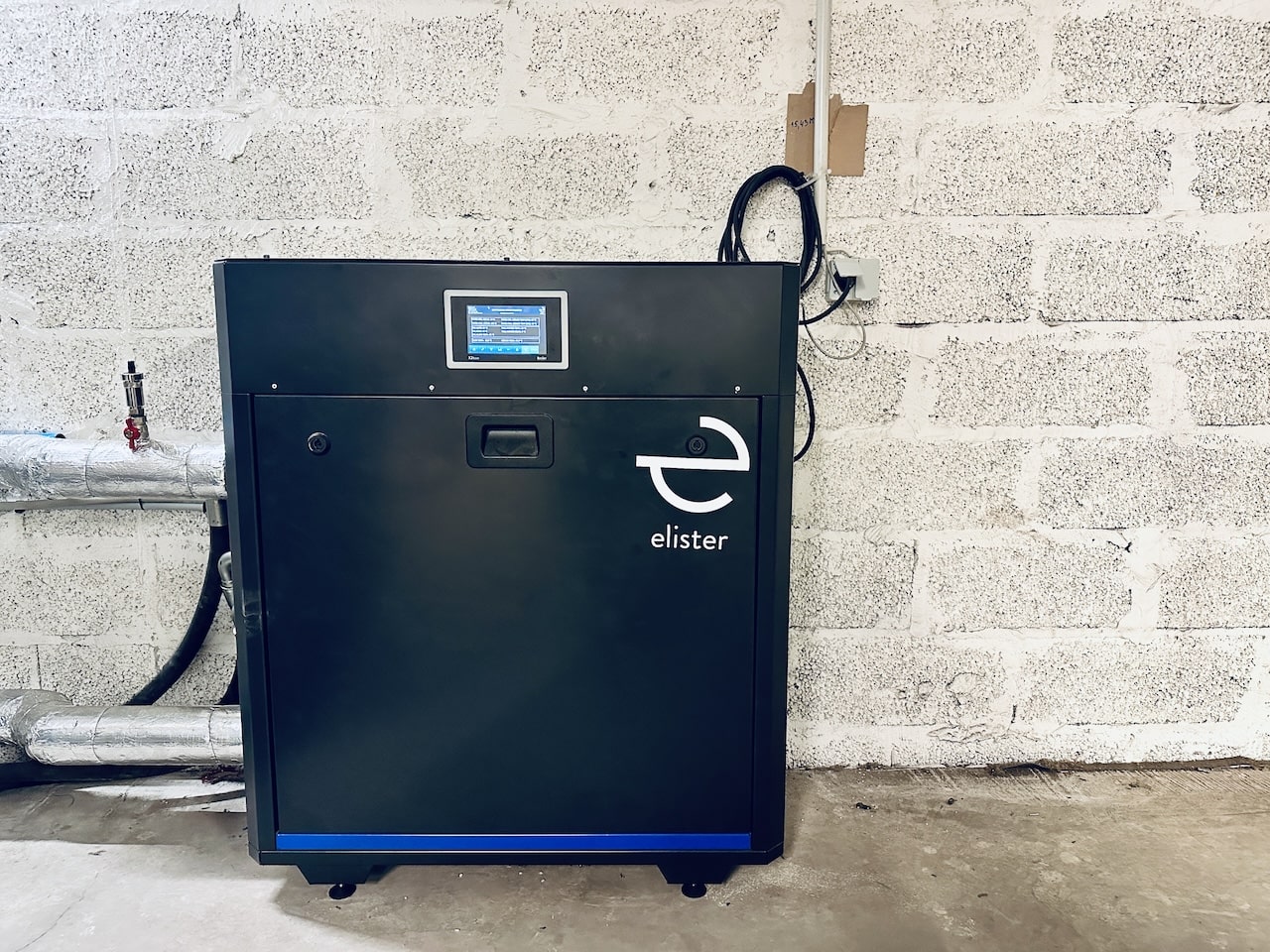
We channel heat energy into both domestic hot water and heating water. All parameters are adjustable.

Solution

We installed an automatic heat control system in the oil cooling circuit of the compressor, which regulates the temperature of the oil and the domestic hot water by means of four sensors. The system optimises the heat exchange and prevents the compressor from overheating. A built-in heat meter accurately measures the energy returned. The system can be routed to both the domestic hot water and the building heating system.

First results:

The amount of energy recovered amounts to 10 MWh per month on average. Expect an even bigger result in the winter months, as the higher temperatures in the heating system allow more efficient heat transfer due to the small temperature difference. The projected annual residual heat input is more than 120 MWh, which means significant savings in heating costs and CO₂ reductions.

Image gallery

See more

Let's discuss wishes

Every idea is worth discussing and implementing. Send us your idea and we'll solve it together.

Or come and visit us

Come and visit us at our Jüri office at Kesk tee 10, Jüri, Rae vald, Estonia

Customers speak

Nearly €9 million injection puts Sami Valga plant on new growth track

Client

Made

Location

Sami Production carried out a major modernisation project, investing nearly EUR 9 million Upgrading and expansion of the Valga plant. One of the key elements of this investment was New automatic powder coating line designed and installed by Elister, which played a key role in optimising the plant's production processes and increasing productivity.

Major investment and restructuring of production

The company's production facilities were previously located in both Saue, Otepää and Valga, but in order to improve production efficiency it was decided to Otepää factory to be closed and production to be concentrated in the town of Valga. This enabled investment in the expansion of the Valga plant and the introduction of modern technological solutions, including a new paint line. 

The case was 4000 m² of new construction and a reconstructed area of the same size., which provided the opportunity to integrate state-of-the-art production solutions.

Coloring line - production bottleneck solved

The previous dye line was the "bottleneck" of production, as it did not allow for the dyeing of large products, which limited production capacity and efficiency.

New automatic powder coating line installed removed this obstacle by allowing:

  • Pre-washing and dyeing of large and complex products
  • Optimising the production process and increasing efficiency
  • More sustainable and environmentally friendly production

Why the powdered vinaigrette?

The choice of colour scheme was an important part of the project. Compared to traditional wet painting, powder painting offers several advantages:

  • A better result - stronger and more durable coating
  • Environmental friendliness - does not emit solvents or dangerous compounds
  • A process with lower paint consumption - powder coating is recyclable

The choice was also customer demand, as many customers, especially in Finland, prefer powder-coated products.

Environmental sustainability and energy efficiency

Our system not only improves production efficiency, but also reduces environmental impact.. An important part of the system is heat recovery, where the residual heat from the paint line furnace is not wasted, but is used to. for the heating of production halls and welding halls.

Advantages of the system:

  • High energy conservation - 35-40 MW of heat recovered in just a few months
  • Cleaner production - clean air is ensured in production through good ventilation and the elimination of solvents.
  • More efficient use of colour - The powdered paint sprayed alongside is recycled until it is reused. Only the discarded powder is sent to the "landfill".

Elister OÜ's broader role in the modernisation of Sami's production facilities

Our contribution was not limited to the installation of the paint line. We have previously also helped Sami Produce the development of welding ventilation, robotic welding and manual welding workstations in both Valga and Saue..

Some of the key projects:

  • One of the largest complete welding ventilation systems in Estonia at Saue factory - 30 manual welding stations and 7 welding robots
  • Ventilation systems with regard to workers - better air quality in production. Not only do we purify the air, but we also ensure the ventilation of the industrial building.
  • Three colour lines in Sami factories - The Valga colour line is the third solution we have installed. 

💡 Elister - innovative industrial solutions to improve production efficiency and sustainability!

Photo gallery and video

See more

Let's discuss wishes

Every idea is worth discussing and implementing. Send us your idea and we'll solve it together.

Or come and visit us

Come and visit us at our Jüri office at Kesk tee 10, Jüri, Rae vald, Estonia

Customers speak

Konesko Koeru factory gets modern colour rooms

Client

Made

Location

Modern colour rooms in Konesko production - from crisis to innovation

When an unexpected fire hit the paint rooms at Konesko's Koeru factory, a major challenge was faced. The production process was severely disrupted and the situation required a quick and efficient solution. Our task was to help the customer to overcome the crisis and to create completely new painting and drying rooms that meet today's requirements and ensure safe and efficient production.

The main objective of the project was to create two functional colour spaces - one for large and heavy products and one for smaller and lighter ones. In addition, the rooms had to be equipped with drying facilities and ensure efficient ventilation, lighting and remote control of equipment. All the equipment had to comply with the requirements for Ex-proofing and the work had to be carried out without interrupting daily production.

How did it all happen?

The work was carried out in two phases. First, we built a painting and drying room for larger products. This room was equipped with a powerful 15,000 m³/h Ex-rated ventilation system, which ensures a constant supply of fresh air and efficient air exchange. For future needs, we also added the possibility to easily integrate a cooling function. The equipment in the room was mounted on a special fire-resistant metal structure, separated from the rest of the production area by fire-resistant walls. All the solutions complied with the requirements for Ex-proofing.

For the processing of larger products, Konesko has added an Ex-ready shelf to the colour room, making it easy and convenient to lift and move products. The drying room has been equipped with an Ex-equipped drying solution, which automatically regulates the fresh air flow by means of solvent sensors, ensuring both operational safety and optimal energy efficiency. Proper Ex-lighting was installed in all rooms to ensure optimum working conditions and to allow for high quality production.

In the second phase, we focused on the creation of a colour room for smaller products with an effective air exchange rate of 10000 m³/h and a drying tunnel. In the smaller colour room, we used modern energy-saving solutions, complying with all possible standards and safety requirements that colour rooms need to meet. In addition, the "Power&Free" conveyor system allowed for a fast movement of the products, while ensuring sufficient drying time, as the products in the drying tunnel are not in continuous movement.

The result: innovation and efficiency!

The resulting solution is not just a solution to a problem - it is an example of how a crisis can be an opportunity for innovation. Modern Ex-proof ventilation, lighting and automation solutions ensure energy efficiency, safety and ease of use. Thanks to solvent sensors and compressed air readers, the system optimises ventilation as needed, saving resources when no active painting is taking place.

This project is proof of how, with smart and thoughtful action, it is possible not only to rebuild but also to improve in difficult circumstances. We are proud to have been able to help Konesko at their critical moment and to create a solution that will support their production for a long time to come.

Image gallery

Customers speak

Contact us

Any ideas that could be reviewed together? Contact us

Or come and visit us

Come and visit us at our Jüri office at Kesk tee 10, Jüri, Rae vald, Estonia