To achieve a good finish, it is important to ensure the correct viscosity of the materials as specified by the manufacturer. There are a variety of simple and more sophisticated devices available to measure this.
The viscosity of paints, varnishes and other coatings has a direct influence on the spray pattern, the uniformity of the coating and the final finish. Too thick a substance will not spray evenly, too liquid a substance will run and streak.
TQC Sheen flow cups (Ford Cup, ISO cup, DIN cup) are standard solutions for colour consistency control in production. Digital viscometers are suitable for more accurate analysis and are compatible with automatic data transmission.
Viscosity is one of the most important parameters affecting the quality of the spray pattern, the coating thickness and the final appearance. Paint manufacturers specify specific viscosity ranges for their products, which must be adhered to in production. Incorrect viscosity is often the main cause of a poor finish.
The Ford cup is a standard flow cup with a fixed size opening at the bottom. It is filled with the substance, then the opening is opened and the time in seconds until the substance has flowed out is measured. The result in seconds is converted to a viscosity value according to the standard (ISO 2431). Different Ford cup sizes (#3, #4, #5) are suitable for different viscosity ranges of the substances.
Temperature has a significant effect on viscosity - higher temperatures lower viscosity. ISO standards require measurement at 23°C. In production, the ambient temperature must be taken into account and, if necessary, paints must be heated or cooled before use.
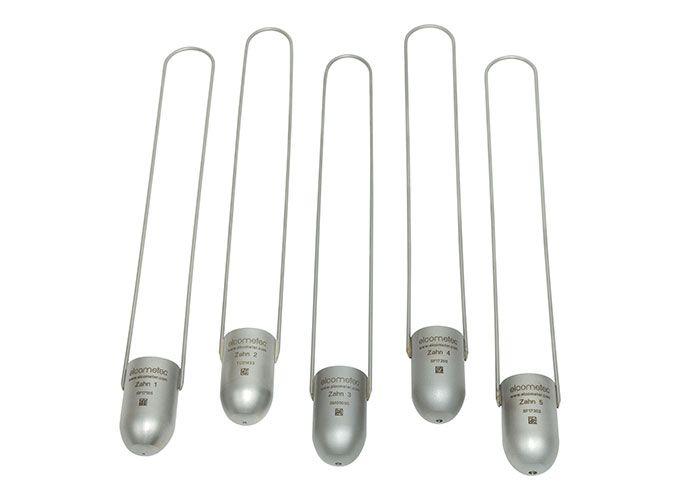
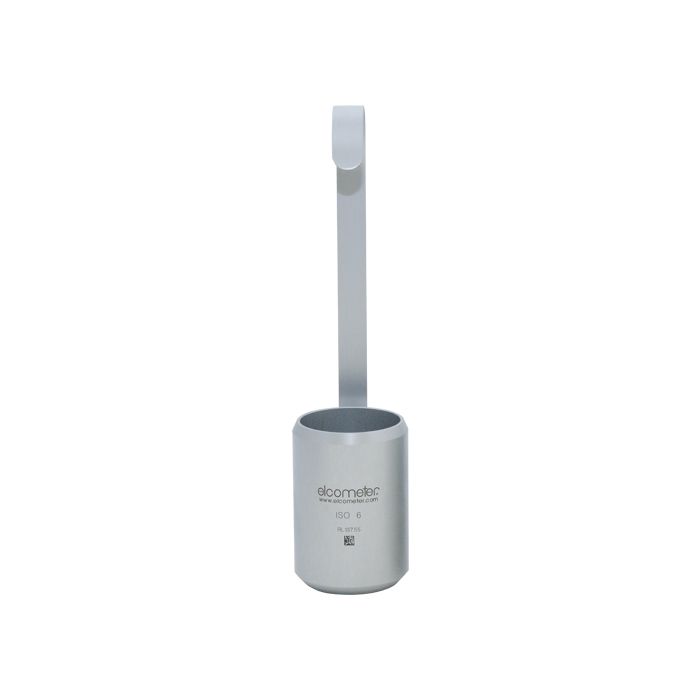
This Elcometer 2437 Viscosity Meter complies with ISO 2431 and is the essential tool for making measurements during painting operations.
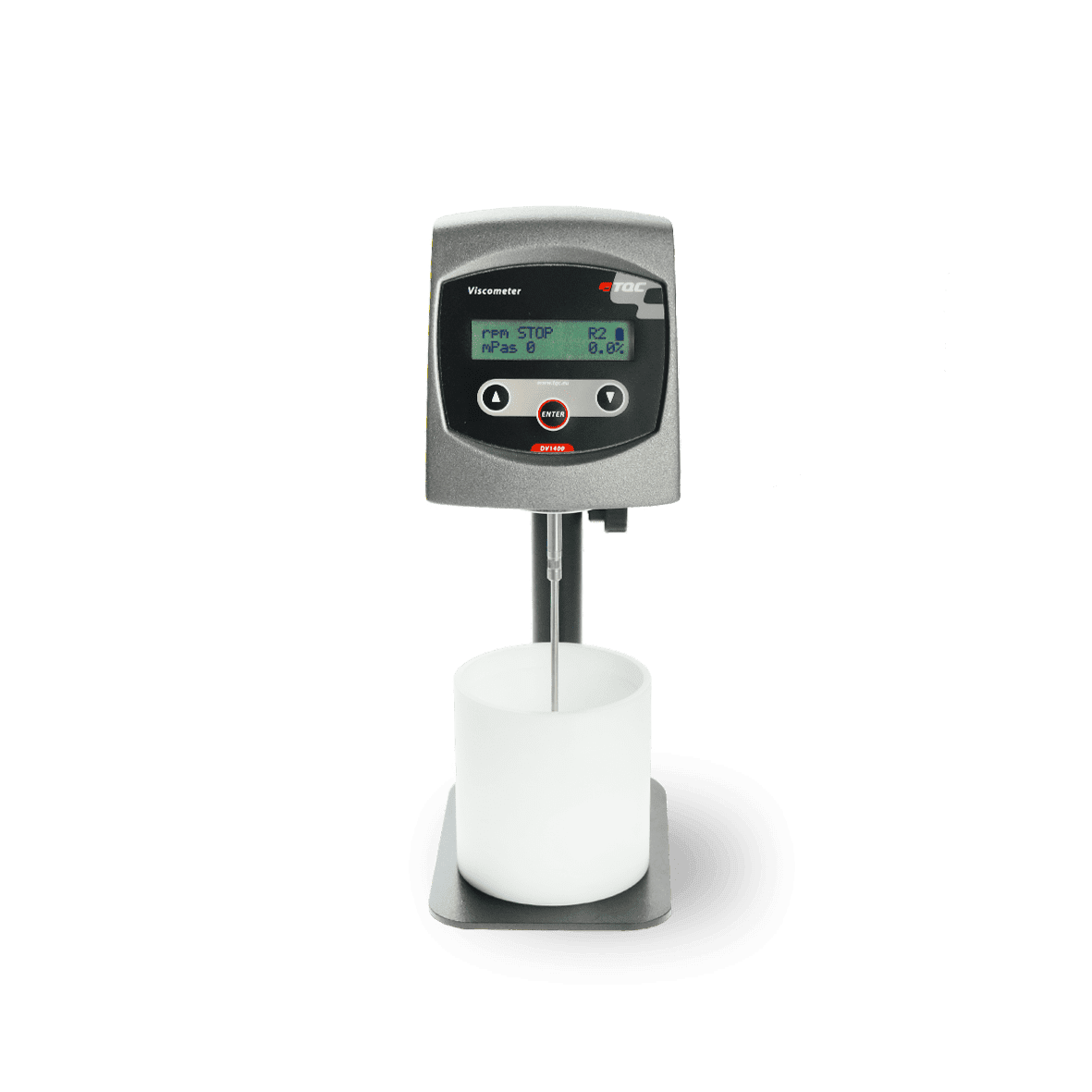
The TQC rotating resistance viscometer works on the Brookfield method, allowing the viscosity of a fluid to be detected in a rapid method. The instrument can be used in laboratories as well as in production during running production. The instrument is an intuitive, lightweight, easy-to-use mobile device that runs on battery power. It is the best tool to ensure that there are no fluctuations in production quality.