Keevitushalli ventilatsioonilahendus koos nutika kaughaldusega

Customers speak

Ventilation Solution for a Welding Shop with Smart Remote Management

IMPLEMENTATION: 2026

The challenge of the project

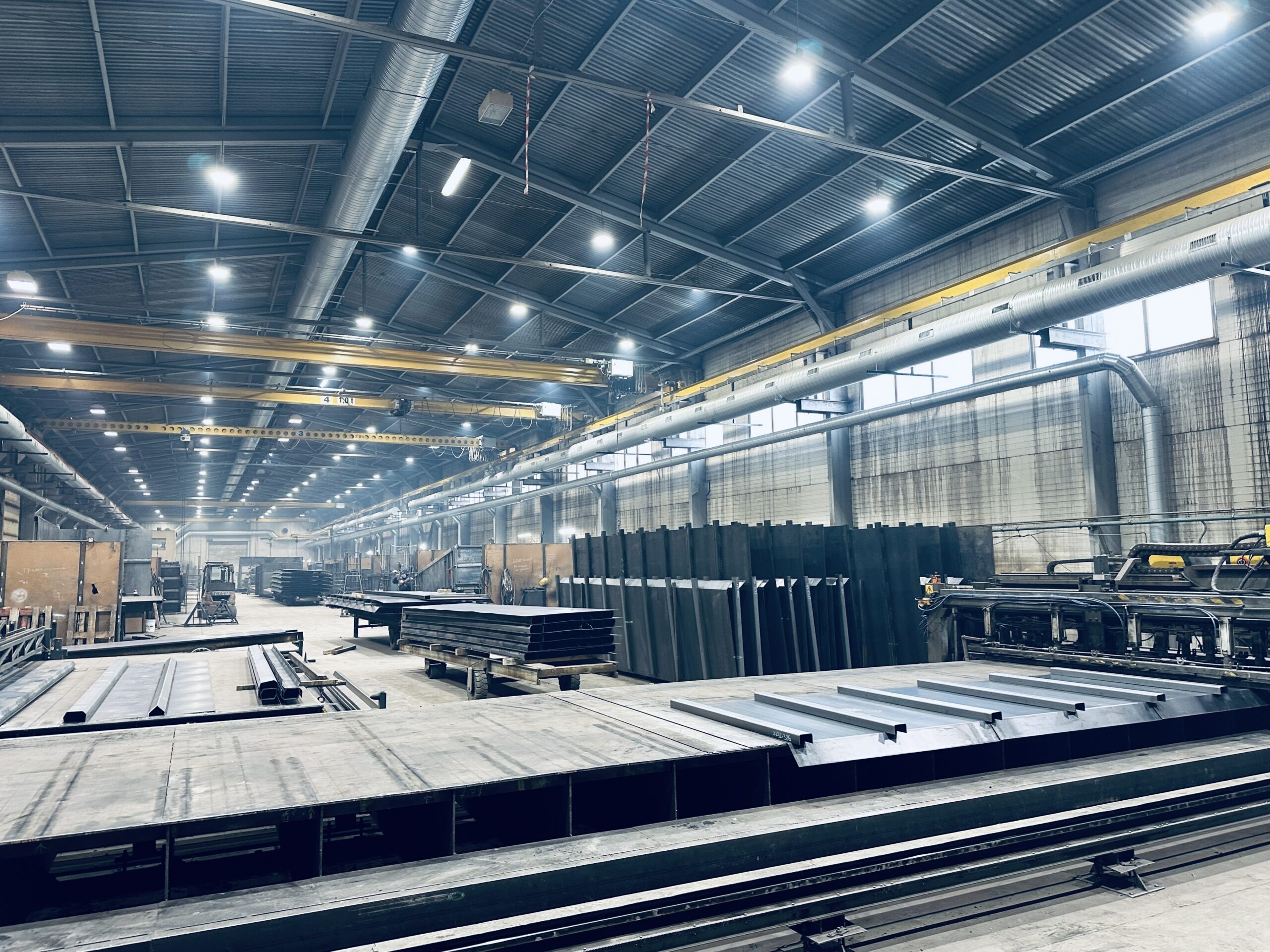
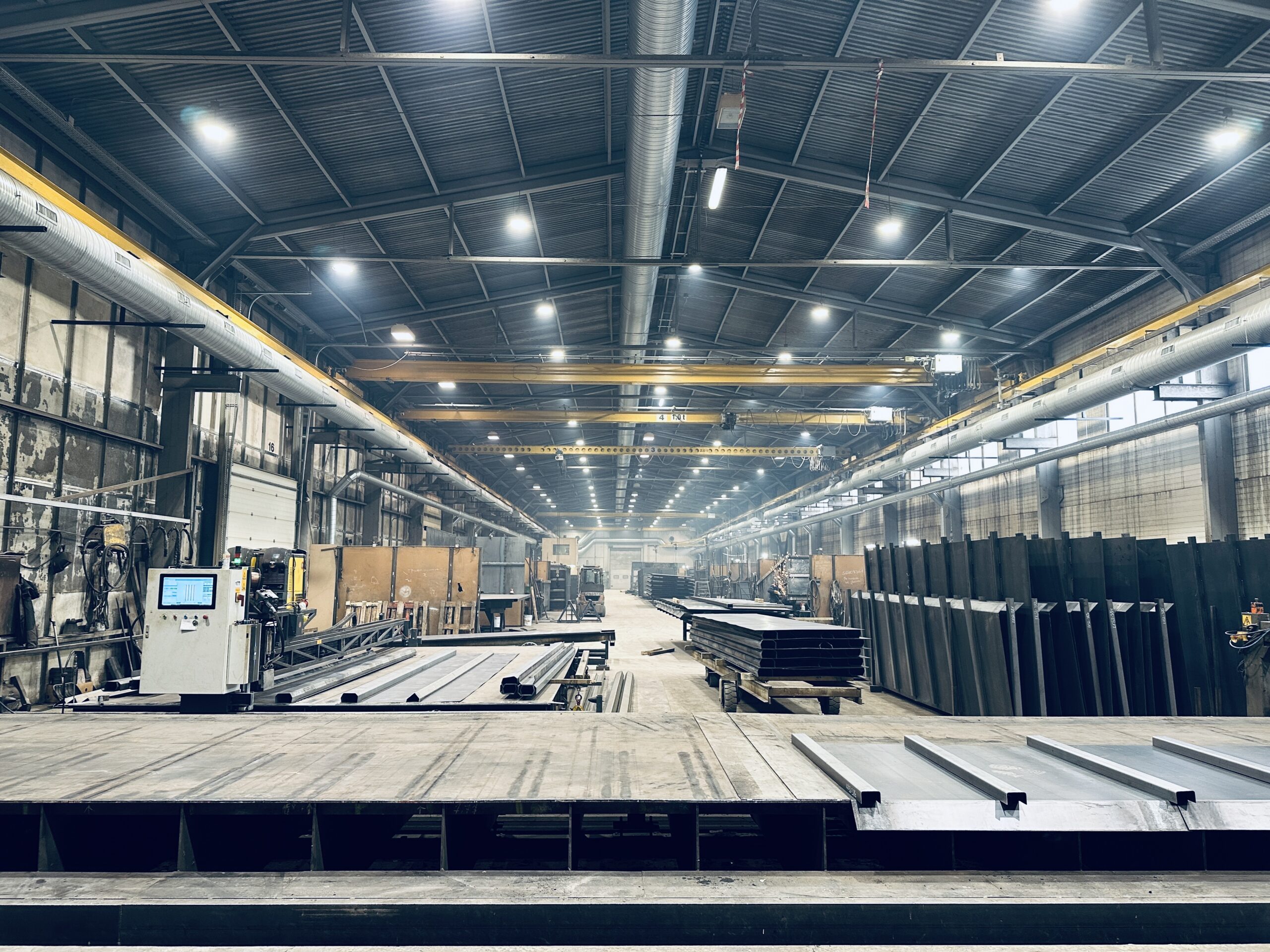
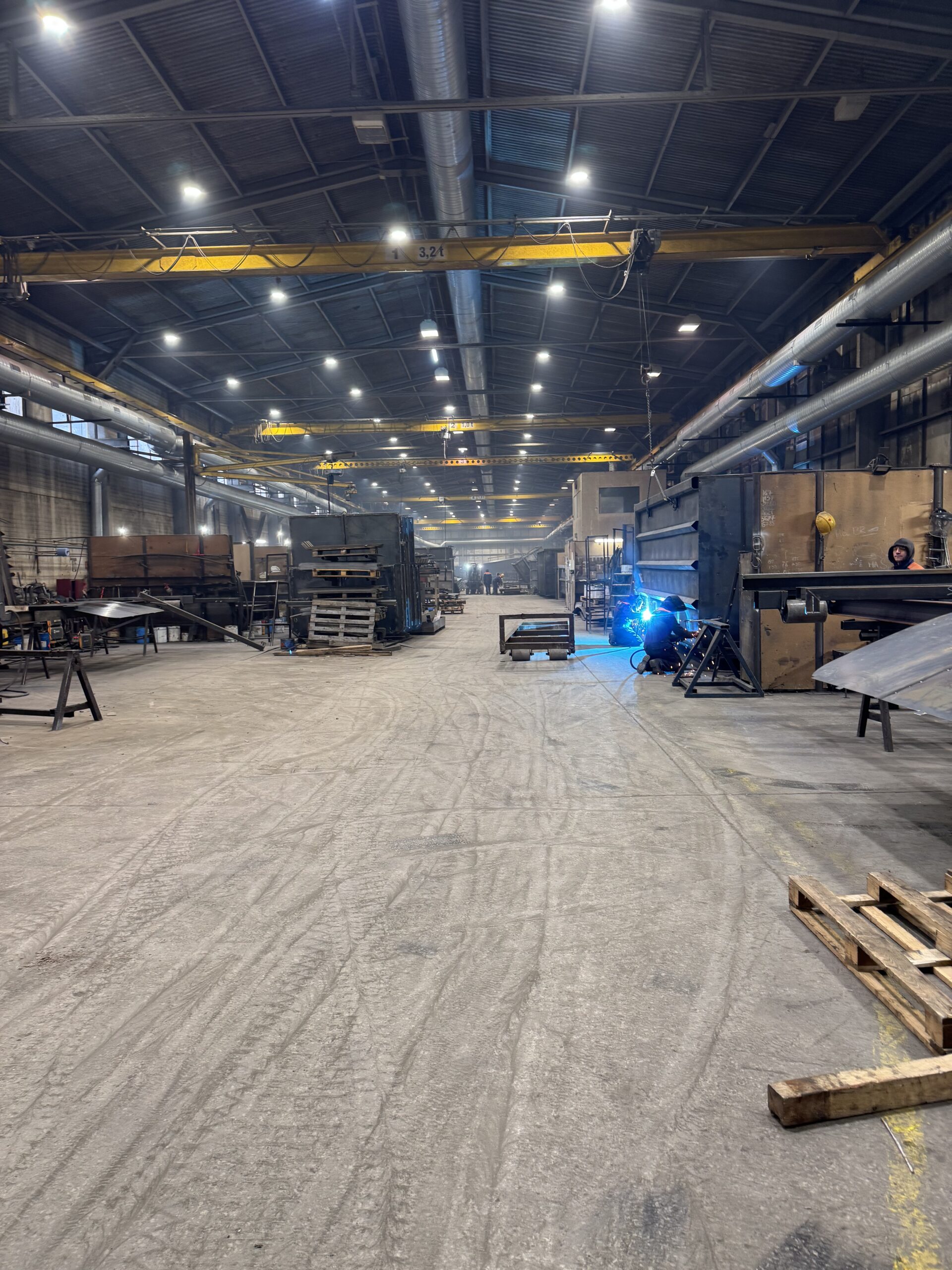
In a procurement project organized by Birger OÜ, the task was to install a general ventilation system for a welding hall that would reduce the production building’s heating requirements and ensure the effective filtration of gases and dust generated during welding. The size of the building and the constant movement of products by crane meant that the solution had to be designed based on the principle of circulating airflow, ensuring a minimum air exchange rate of at least 45,000 m³/h.

The tender included a clear requirement that the indoor air quality must comply with health protection standards—this had to be verified through measurements conducted in collaboration with the Health Board. 

How did we build the solution?

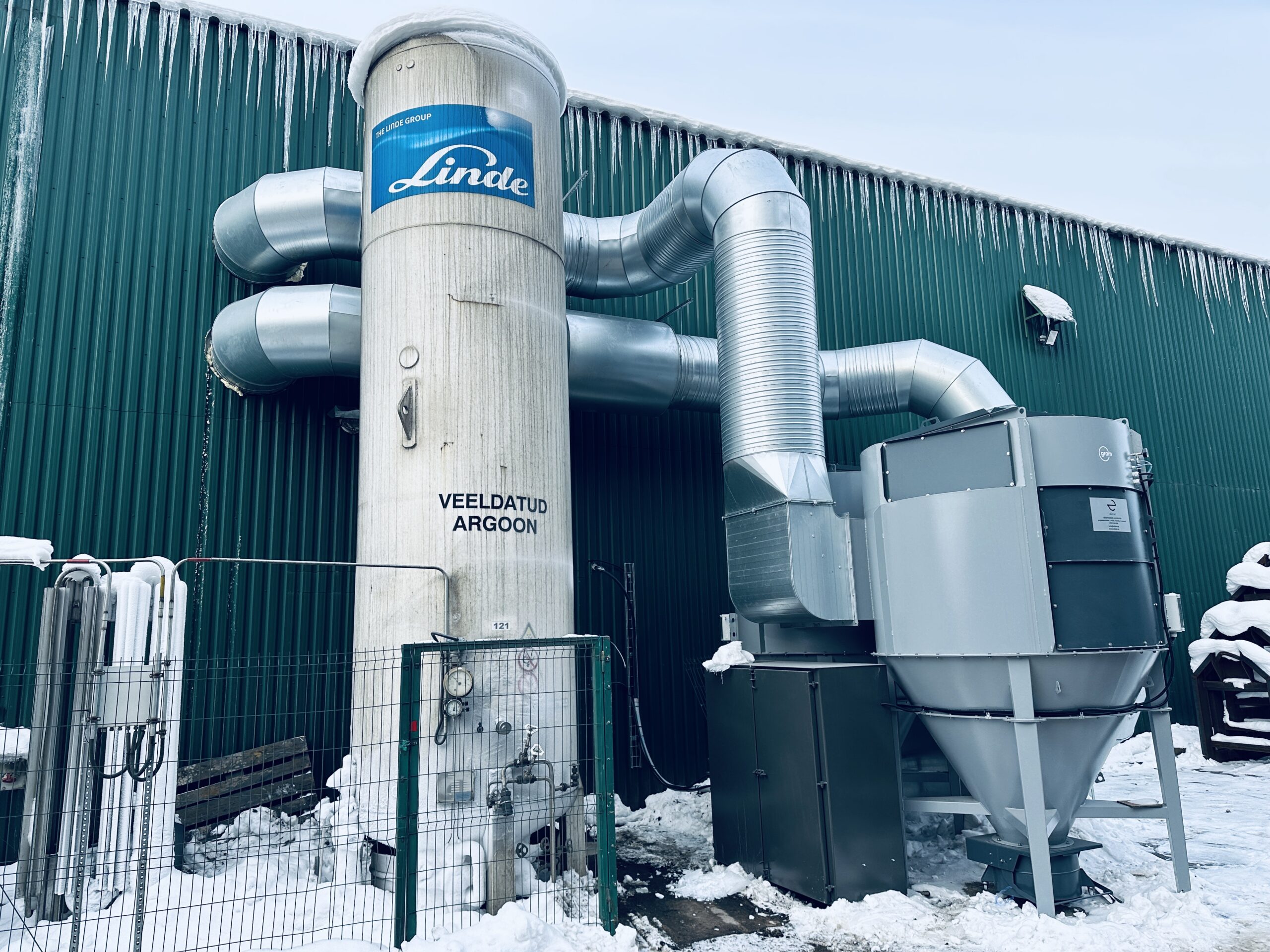
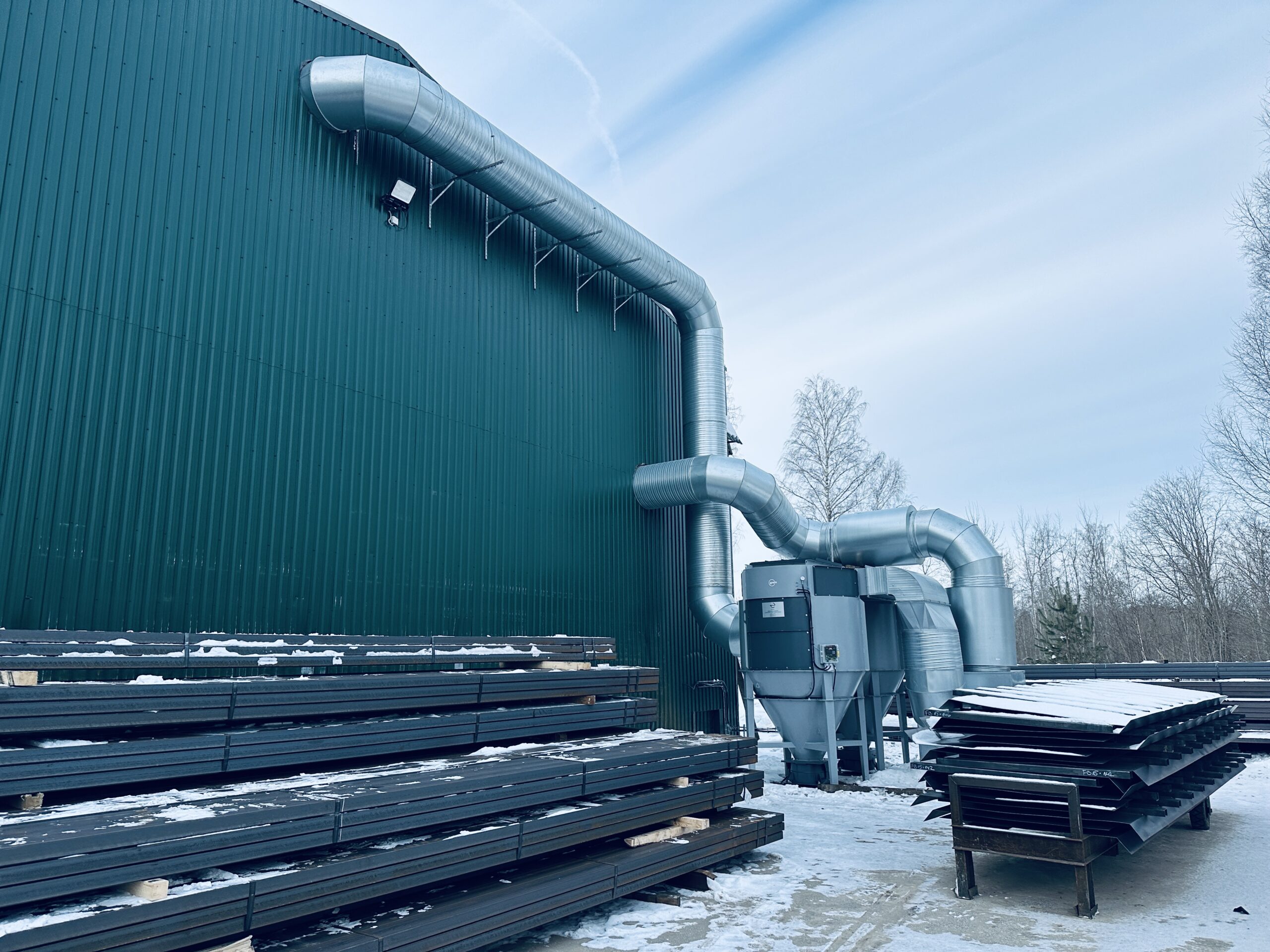
The ventilation for the client’s welding shop was designed using a push-pull system, which is suitable for large spaces where products are constantly being moved by crane. Based on the calculations, two GRAM 364DH A dual-cyclone system with 45-kW GRAM fans was installed, and the room was divided into two zones that can be controlled separately from a single control panel.

In addition, a comprehensive industrial ventilation solution was integrated, ensuring both air filtration and continuous air exchange. To supply fresh air, the following was used: C.I.C. Jan Hrebec A plate heat exchanger combined with a water-based heating system, which significantly improves the indoor climate and helps keep the work environment warm during cold periods.

All systems are controlled via a remote management solution created specifically for this project, which enables real-time monitoring and sends automatic notifications regarding filter saturation, malfunctions, and alarms.

Customers speak

Improvements in the Work Environment

WORK ENVIRONMENT
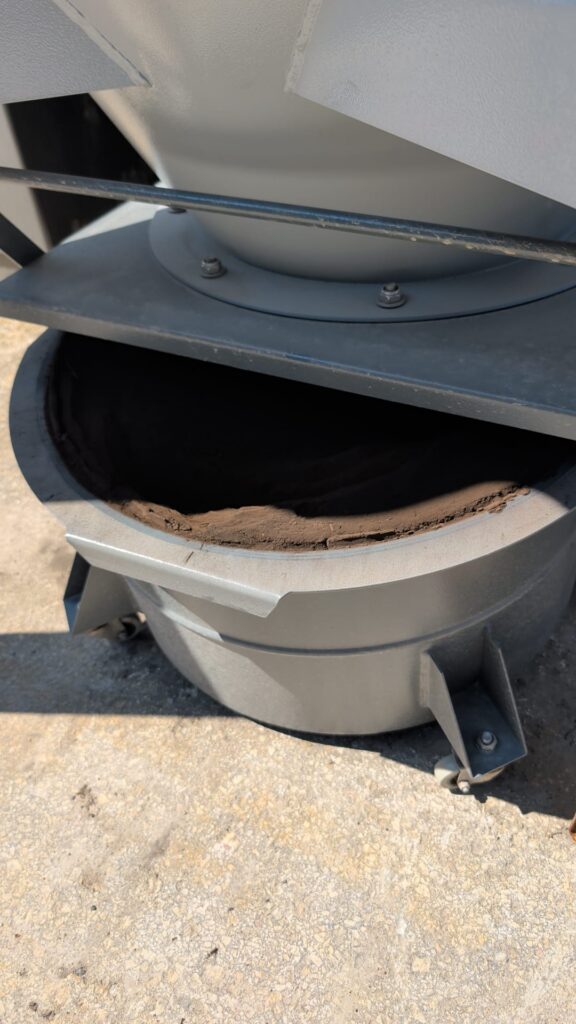
Tsüklonfiltri kogumiskast peale paari kuu kasutamist
70L collection bin

Accurately calculated ventilation efficiency.

If ventilation is inadequate, workers breathe in welding fumes and dust, and the dust settles on walls, structures, and equipment.

In our solution, cyclone filters separate GRAM ACF364 removes heavier dust and debris from the airflow during the first stage of filtration, directing it directly into the collection bins.

Thanks to a comprehensive ventilation and filtration solution, the work environment has improved significantly.


Ventilation Automation – Remote Management and Centralized Control

AUTOMATION

Why one control panel for two zones?

Control of all systems is centralized on a single control panel, from which both operating zones can be monitored and configured separately. A single control panel gives the operator a clear overview of the status of both zones and allows for a quick response if anything needs to be adjusted.

In addition, a special remote management solution has been developed for the system, which enables real-time monitoring and sends automatic notifications about filter saturation, malfunctions, and alarms—even when you’re away.

Image gallery

Questions Regarding the Project

What should the air exchange rate of the system be?

The tender specified that the air exchange rate must be at least 45,000 m³/h. Based on our calculations, we designed a push-pull system with two GRAM 364DH double cyclones and 45 kW GRAM fans, which together provide up to 60,000 m³/h of air circulation, supplemented by over 10,000 m³/h of industrial ventilation to ensure a supply of fresh air. .

The system was designed so that the gases, dust, and metal compounds generated during welding remain within the health protection limits specified in the procurement documents. Compliance was confirmed through air sample measurements conducted in collaboration with the Health Board at points specified on the workplace layout plan.

GRAM ACF364 cyclone filters are automatically cleaned using compressed air. Heavier dust and debris are separated from the airflow as early as the first stage of the cyclone and collect directly in a collection box attached to the filter, from which it can be easily removed.

The operation of all equipment—double cyclones, fans, and plate heat exchangers—is centralized on a single control panel, from which the operation of both zones can be monitored and configured separately. In addition, a remote management solution has been implemented that monitors the system in real time and sends automatic notifications in the event of clogged filters, malfunctions, or alarms.

The ventilation unit is equipped with a plate heat exchanger, and the air is heated using a water-based heating system. This ensures a stable indoor climate even during cold weather.

Are you facing a similar problem? Send a quick inquiry

"*" indicates required fields

This field is for validation purposes and should be left unchanged.

Customers speak